


A South America Itinerary by Sea: The Continent Seen From the Water
South America rewards ambition and punishes poor planning. The continent runs from tropical coastline to sub-Antarctic wilderness, and for a first-time visitor, working out where to travel in South America is the easy part. Linking it all is harder. The best South America itinerary is one that joins contrasting places without the flights, border queues and repacking that usually come with them, and a single Journey by sea does exactly that. Explora Journeys' Winter 2027–2028 season aboard EXPLORA I follows the coast from Rio de Janeiro to Cape Horn, passing several of South America's natural landmarks. This guide sets out which sights sit on that route, and which, such as Machu Picchu, are better added as extensions. For anyone weighing a luxury way to see the continent, the sea makes a quietly persuasive case.
A Continent Best Understood in Motion
Most guides to travelling South America open with a list of entry cities and a warning about distances. The warning is justified. Brazil alone covers more than 8.5 million square kilometres, and the climate shifts every few hundred of them. The real puzzle is sequence. Which countries belong together? How long should each one last? Overland, every answer costs something: an airport transfer, a border, a different set of clothes.
An Explora Journeys ship changes the question. It becomes the fixed base that carries guests from one country to the next, so they don’t need to choose a single-entry city and build a trip outward from it. The coastline sets the order instead, and the continent arrives port by port.
From Rio to Patagonia: Mapping a South America Itinerary by Sea
Explora Journeys' Winter 2027–2028 season aboard EXPLORA I beautifully illustrates this. Across ten Journeys, the ship connects five countries and territories (Brazil, Uruguay, Argentina, the Falkland Islands and Chile) and 37 destinations, 20 of them maiden calls. The full Winter 2027/2028 collection shows how the Journeys fit together.
The route has a clear shape. It opens on Brazil's coast with Rio de Janeiro, Búzios, Maceió and Balneário Camboriú, then reaches Montevideo in Uruguay. Buenos Aires follows, and Puerto Madryn marks the start of Patagonia's Atlantic shore. Port Stanley brings the Falkland Islands into view. Puerto Williams and Punta Arenas lead into Chile, and the Beagle Channel and Cape Horn mark the continent's southern edge.
Each stretch has its own character. Búzios is a fishing village turned seaside retreat, Maceió is fringed by warm, shallow water and reef pools, and Montevideo wears its past lightly along the River Plate.
The season falls in the southern summer, when Patagonia's days are long and its weather is at its mildest. Tropical warmth at one end, cool maritime air at the other, and a single ship in between.


Natural Wonders Best Seen From the Water
Among the natural wonders in South America, several sit directly on this route. Rio offers the first two. Christ the Redeemer stands 30 metres tall on the 710-metre summit of Corcovado, and Sugarloaf Mountain rises 396 metres above the mouth of Guanabara Bay, a granite headland best understood from the water, where the harbour opens around it.
Far to the south, the Beagle Channel threads between Tierra del Fuego and a chain of islands for roughly 240 kilometres. Mountains rise straight from the water, glaciers have carved the shoreline, and sea lions, cormorants and penguins gather on the rocks. Cape Horn closes the route: a dark headland about 425 metres high, the southernmost point of the Tierra del Fuego archipelago, long feared by sailors and now watched from a Terrace.
A ship's pace suits this kind of landscape. The coastline unfolds continuously rather than standing still for a single photograph, and the light reshapes it all day.
The coastline unfolds continuously rather than standing still for a single photograph.
Some of South America's most-searched natural landmarks lie elsewhere, and the distinction matters. Machu Picchu, the Galápagos Islands, Iguazu Falls and the deep Amazon interior sit inland or need a flight. They suit optional extensions, added before or after a Journey rather than folded into it. Guests who wish to explore South America and the Amazon further can begin with the destination guide.
Culture and Wildlife Along the Coast
Rio and Buenos Aires carry the route's cosmopolitan side. In Rio, samba drifts from the bars of Lapa and the beaches change character with the hour. In Buenos Aires, the pace slows to a café table, an evening at the Teatro Colón, or a late parrilla supper that begins at 21:00.
Further south, the register changes. Puerto Madryn opens onto Península Valdés, a UNESCO World Heritage Site known for its marine wildlife. The Falkland Islands are remote and windswept, home to five breeding species of penguin, with Port Stanley sitting quietly at the edge of it all. Puerto Williams, on Isla Navarino, is among the southernmost settlements anywhere. Wildlife in these places is watched, never approached, and the Beagle Channel's colonies reward the same patience.


Why the Ship Solves What First-Timers Worry About Overland
How does travelling South America by ship compare with travelling overland? Overland routes reach the interior, and that matters. They also run to weeks of buses, internal flights and changes of accomodation, each one asking the traveller to plan, pack and recover. Time that could be spent standing still somewhere beautiful is lost on logistics.
A single Journey covers the same coastal geography differently. Guests unpack once and return each evening to the same Oceanfront Suite, an elegant home at sea, wherever the ship lies.
Sequencing, the first-timer's biggest worry, takes care of itself. Brazil comes first, then Uruguay and Argentina, then the cold south. Warm to cool becomes a gradient rather than a shock, and the ship eases guests along it.
The two approaches complement one another rather than compete. The coast by sea, the Andes and the rainforest by extension, each given the time it deserves.
Sailing With Explora Journeys
On EXPLORA I, every private terrace setting becomes the constant between very different climate zones: tropical Brazil, the River Plate, sub-Antarctic Patagonia and the Falklands. Breakfast can open onto a harbour full of light and, a few days later, onto a channel of grey water and glacier-carved mountains.
The Winter 2027–2028 South America collection aboard EXPLORA I brings that continuity to the whole coast. Discover EXPLORA I to see the ship behind it, or browse the full programme of South America and Amazon Journeys. Rio is the first morning. Cape Horn, at the far end of the route, is the last.

South America and Amazon Journeys
A closer look at the Journeys that follow the continent's coast.
Overland guides typically recommend two to three weeks for a multi-country South America itinerary, and more if the route takes in the Andes or the Amazon. A Journey by sea changes the arithmetic, because travel between countries happens overnight rather than on transfer days. Journey lengths vary, so a Travel Advisor can help match a route to the time available.
Rio de Janeiro, Buenos Aires and Patagonia make a classic first introduction: a tropical coast, a cosmopolitan capital and a wilderness. All three sit on the Winter 2027–2028 route aboard EXPLORA I. Inland landmarks such as Machu Picchu and Iguazu Falls are better added as separate extensions.
The answer depends on the region. In Patagonia and the Southern Cone, the southern summer from roughly December to March brings the warmest weather and the longest days, which is why Explora Journeys' Winter 2027–2028 season is timed to it. The Andes and the Amazon follow different rhythms, with the Andean highlands generally driest between May and September, so inland extensions are best timed separately.
The names that appear most often are Iguazu Falls, the Amazon, the Galápagos Islands, the Atacama Desert, Salar de Uyuni, Angel Falls and Patagonia's glaciers. Of these, Patagonia's coastline, the Beagle Channel and Cape Horn can be seen from the water on the Winter 2027–2028 route. Most of the others lie inland or require a flight.
South America is large and varied, and conditions differ by country and city. Most visitors travel without incident, and the usual precautions apply: check current government travel advice, keep valuables discreet and take guidance from local hosts. Travelling by ship, with a consistent base and Destination Experiences arranged in advance, removes much of the day-to-day logistics that overland travel demands.
More Stories
The Destinations
• 7 min read
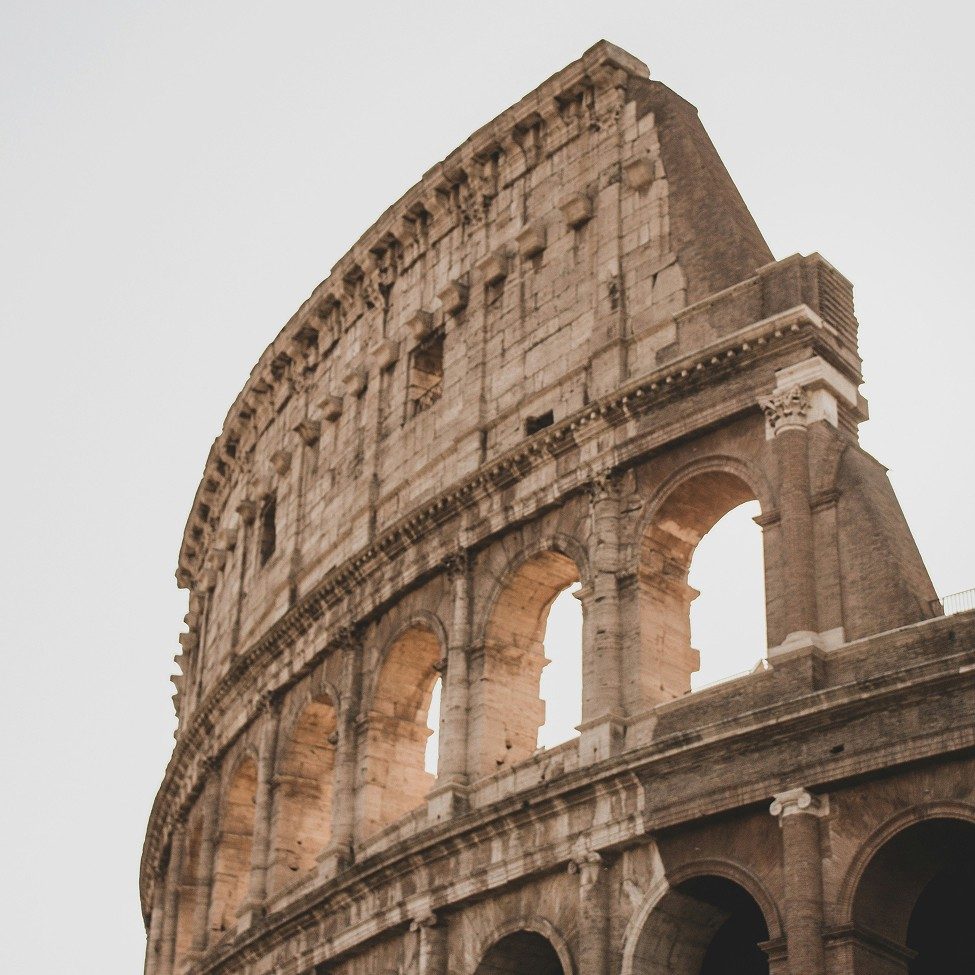
Best Mediterranean Cruise Ports: A Journey Through the Region in Winter
The Destinations
• 7 min read
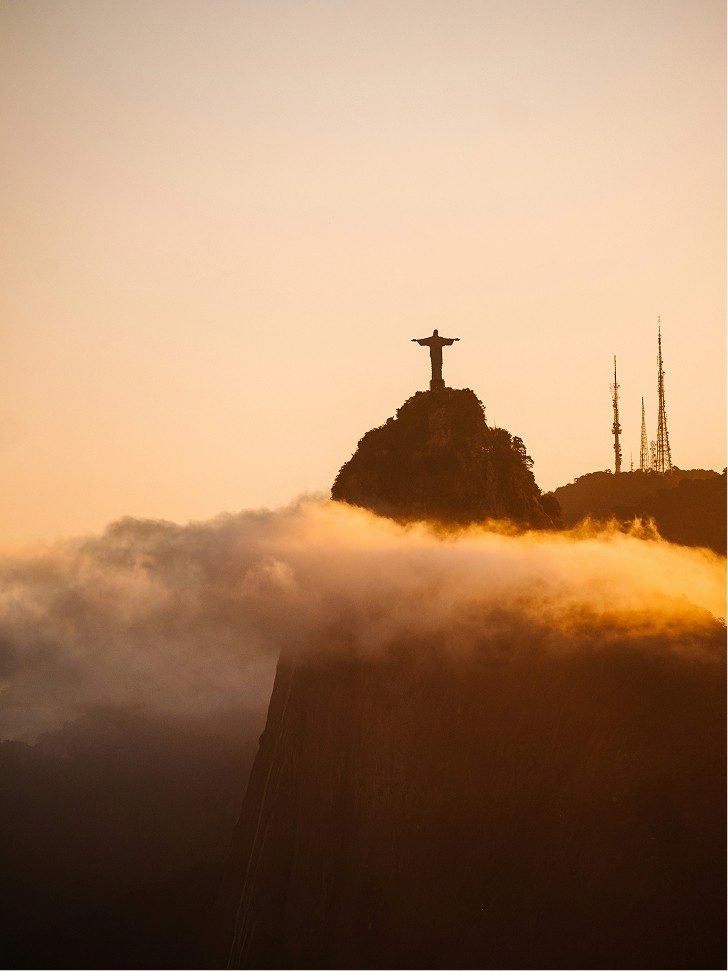
Best Places to Visit in Brazil: A Coastline of Rhythm, Colour and Light
The Destinations
• 8 min read
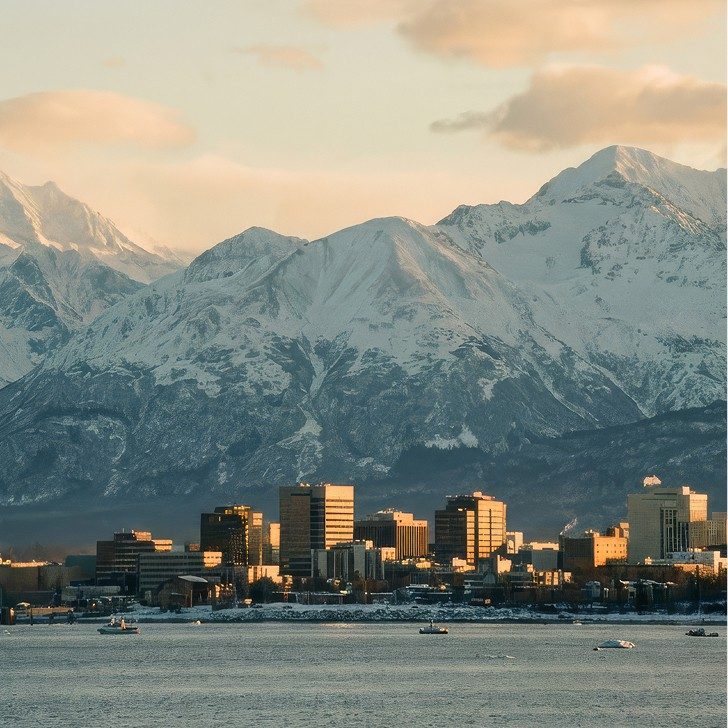
Broaden Your Horizons: The Best Places to Visit in Alaska Beyond the Sea
The Destinations
• 7 min read
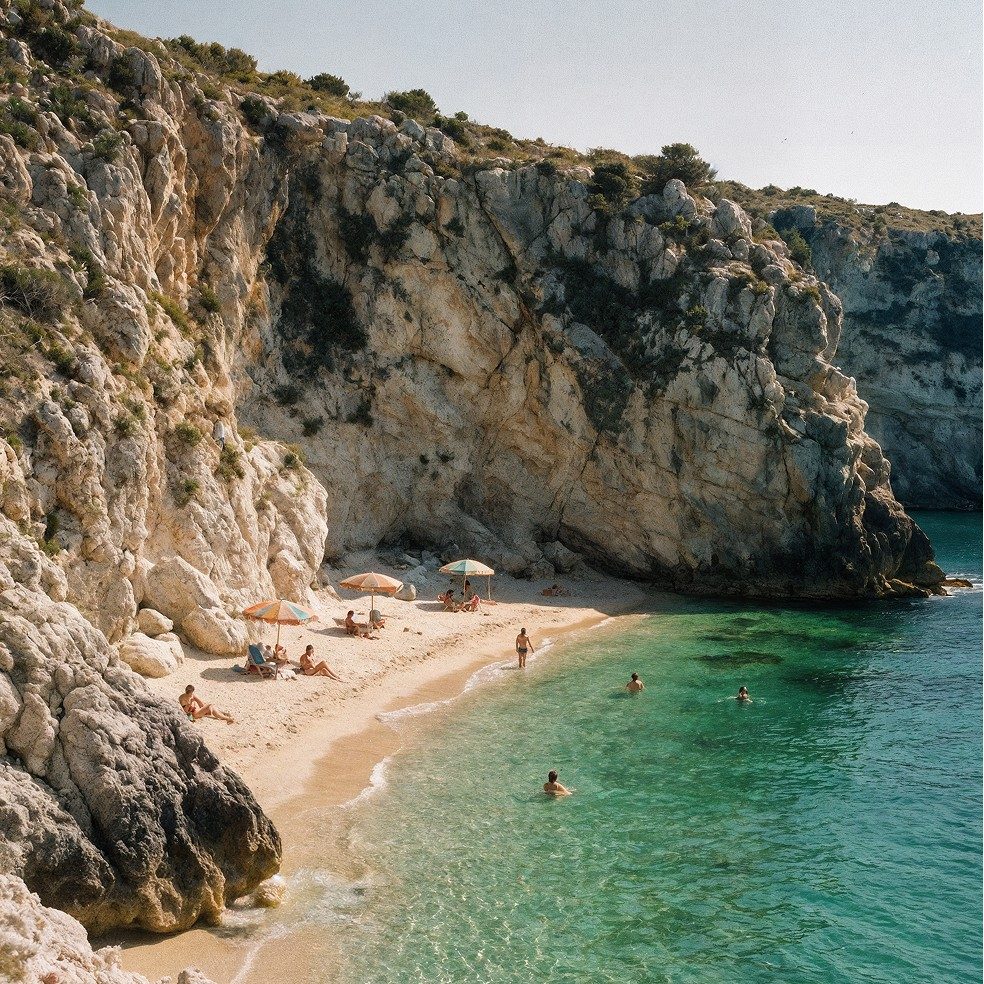
What to See in Puglia: From Ancient Towns to Adriatic Shores
The Destinations
• 9 min read
The Ocean Pantry: How the North Learned to Eat from the Sea

The Destinations
• 6 min read


